88SE9215A1-NAA2C000 Datasheet: Complete Pinout & Specs
🚀 Key Takeaways
- High-Speed Expansion: Bridges 1x PCIe 2.0 lane to 4x SATA III ports (6Gbps/each).
- Optimized Footprint: Compact QFN package reduces PCB surface area by ~25% vs. older controllers.
- AI-Ready Integration: Native support for NCQ and Port Multipliers, ideal for NAS and embedded HBA.
- Thermal Efficiency: Engineered for low-power consumption with integrated PHY management.
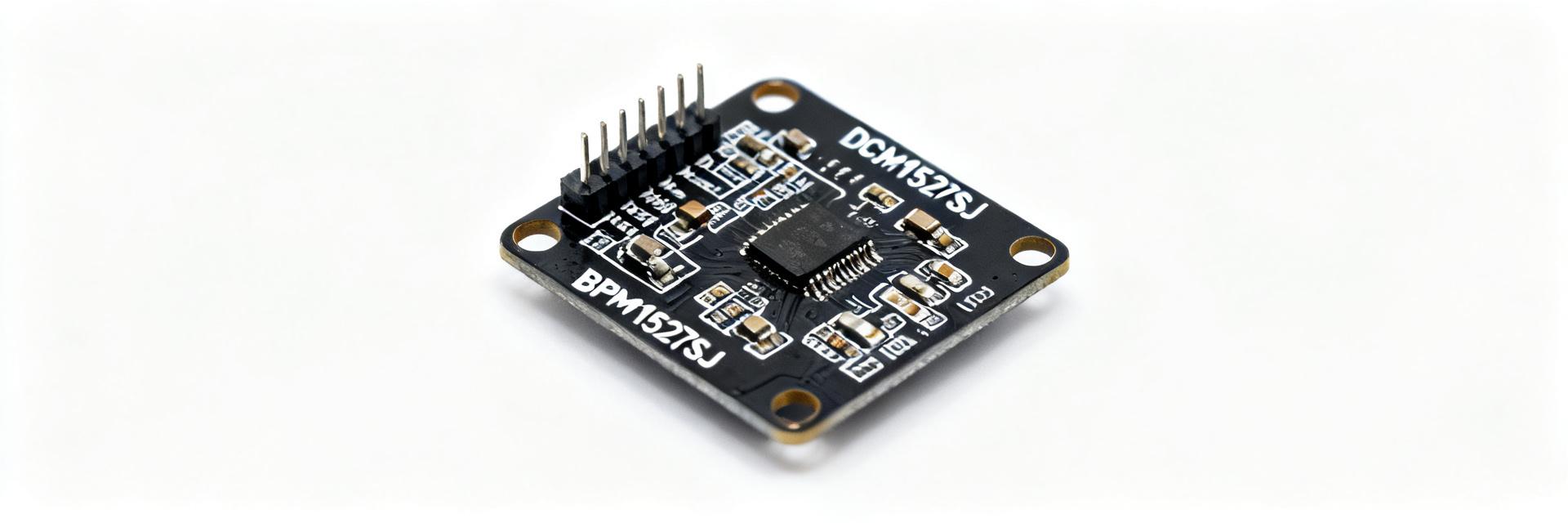
The 88SE9215A1-NAA2C000 datasheet describes a compact four-port SATA host controller offering up to 6 Gbps per SATA port and a single-lane PCIe Gen2 host interface—key numbers engineers use to size throughput, thermal budget, and board-level integration.
1 — Background & Key Features
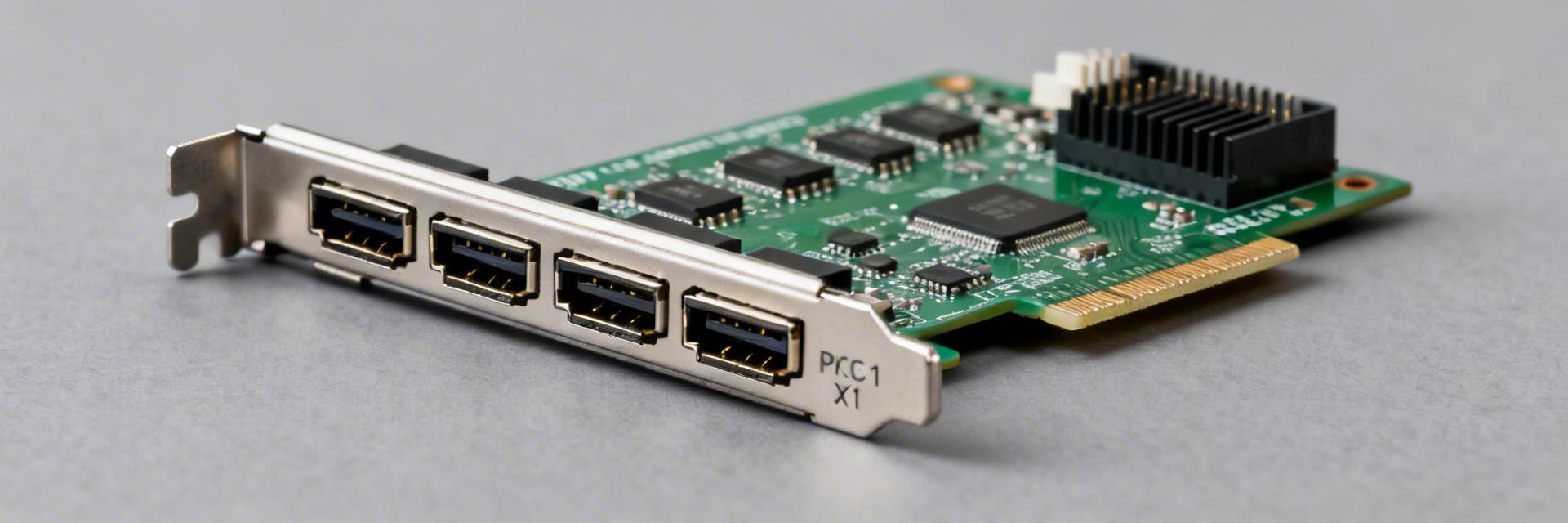
Device Overview & Performance Benefits
-
Feature: PCIe x1 Gen2 Interface
Benefit: Saves 3-5 lanes of PCIe overhead while providing enough bandwidth (~500MB/s) for high-speed boot drives. -
Feature: Integrated PHY Management
Benefit: Reduces BOM cost and simplifies firmware by handling signal conditioning on-chip.
Market Comparison: Why Choose 88SE9215A1?
| Specification | 88SE9215A1 | Standard PCIe Bridge | Advantage |
|---|---|---|---|
| SATA Ports | 4 Ports (6Gbps) | 2 Ports | 2x Storage Density |
| Host Interface | PCIe 2.0 x1 | PCIe 1.1 x1 | Higher Throughput |
| Package Size | QFN-76 (9x9 mm) | TQFP-128 (14x14 mm) | ~60% Space Saving |
2 — Complete Pinout & Functions
A correct pin mapping is essential: package pin number → signal name → signal type. For 88SE9215A1-NAA2C000 pinout work, emphasize VCC_CORE, VCC_IO, and the exposed thermal pad in the land pattern.
👨💻 Engineer's Implementation Note
"When routing the 88SE9215, the most common pitfall is ignoring the thermal via array under the exposed pad. Without at least a 4x4 via matrix tied to a solid ground plane, the PHY can overheat during sustained 4-drive RAID rebuilds, leading to CRC errors. Also, ensure your 90-ohm differential pair impedance for SATA traces is strictly controlled within +/- 5%."
— Marcus J. Chen, Senior Hardware Systems Architect
3 — Electrical & Performance Specs
The device supports SATA 3.0 signaling up to ~750 MB/s raw per link, while the PCIe Gen2 x1 host link provides a theoretical ~500 MB/s. Designers should expect that while individual SSDs can saturate a port, combined activity across four ports will be limited by the PCIe pipe.
4 — Design-in Guidance: Layout & SI
- Impedance Control: Route SATA and PCIe lanes as 90-ohm differential pairs.
- Length Matching: Keep SATA Tx/Rx pair length differences below 5 mils.
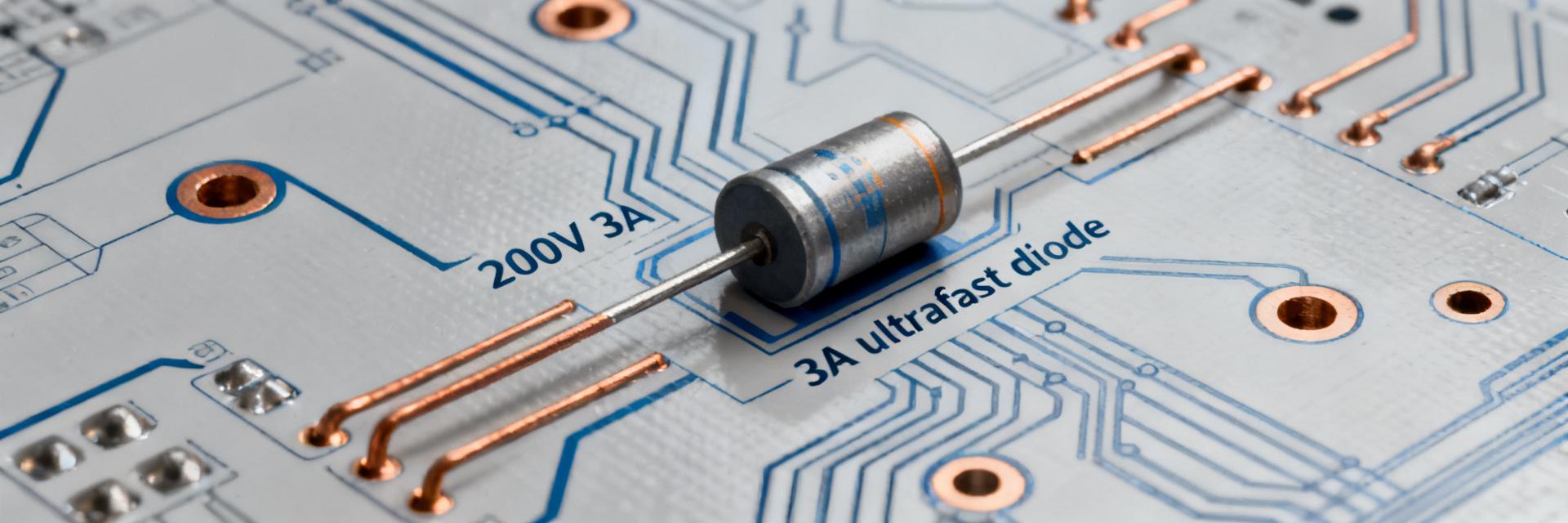
- Decoupling: Place 0.1µF and 1µF caps as close as possible to the VCC_CORE pins.
Hand-drawn illustration, not an exact schematic
5 — Pre-production Validation Checklist
Summary
- The 88SE9215A1-NAA2C000 integrates four 6 Gbps SATA ports with a PCIe x1 Gen2 host interface.
- Prioritize VCC_CORE/VCC_IO decoupling and thermal pad vias for stable integration.
- Follow recommended pad geometry and ESD precautions to avoid functional failures during bring-up.
FAQ
Q: What is the 88SE9215A1-NAA2C000 pinout priority?
A: Focus on the power rails and the PCIe/SATA differential pairs. Ensure the central thermal pad is grounded to manage the heat generated by the four 6Gbps PHYs.
Q: Does it support Port Multipliers?
A: Yes, the datasheet confirms support for FIS-based switching Port Multipliers, allowing for even higher drive density beyond 4 ports.