GRM21BR71A106KE51L EOL & Specs: Current Lifecycle Report
Point: Across multi-source inventories and part registries, GRM21BR71A106KE51L has been flagged as end-of-life with sharply reduced stock visibility over the last 24–36 months. Evidence: Aggregated supply snapshots commonly show severe depletion and removal from active listings. Explanation: This report gives you the lifecycle read, the essential specs to confirm, and immediate actions for engineering and procurement.
1 — Quick overview & current lifecycle status
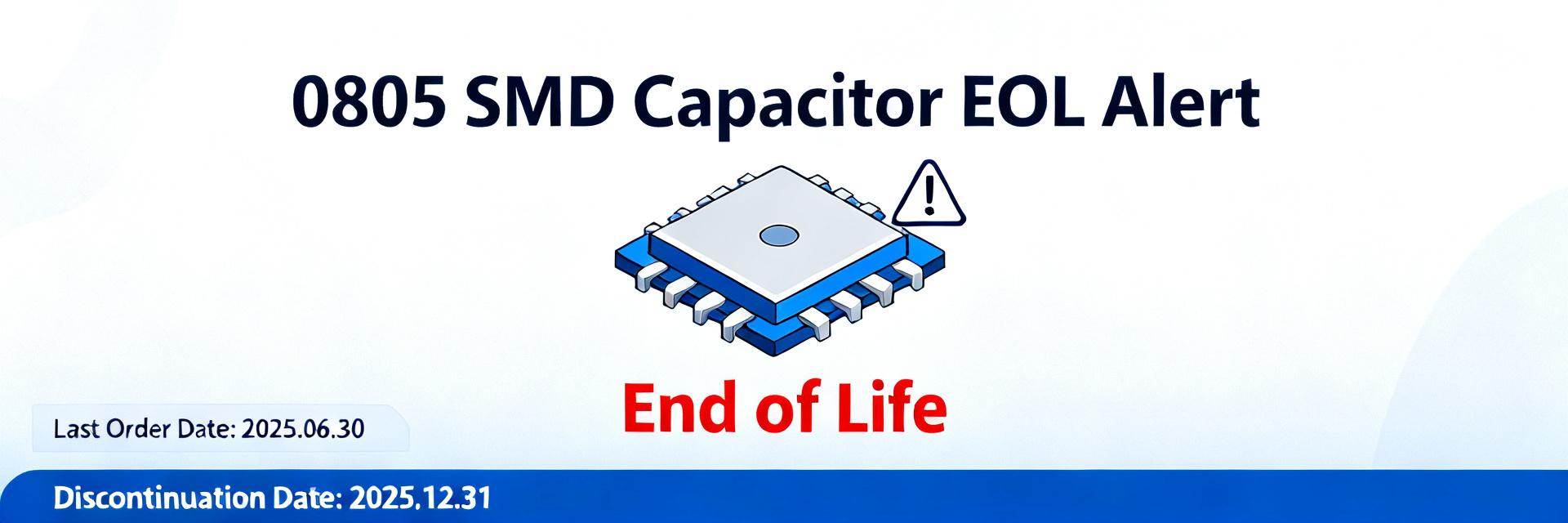
1 — EOL timeline and signals to watch
Typical records show clear lifecycle annotations and “to be discontinued” notes alongside catalog removals. Document the observed EOL date and snapshot evidence in your BOM change log to justify procurement decisions.
2 — Core specs & replacement data
| Parameter | Specification | Criticality |
|---|---|---|
| Capacitance | 10 µF | High |
| Voltage - Rated | 10 VDC | High |
| Dielectric | X7R | Medium-High |
| Package / Case | 0805 (2012 Metric) | High |
| Tolerance | ±10% | Medium |
3 — Replacement & cross-reference strategy
1 — Technical Priorities
Use a prioritized matching matrix: dielectric behavior and capacitance tolerance top the list, followed by rated voltage and ESR. Mismatched dielectric (e.g., switching to Y5V) alters circuit stability significantly under temperature fluctuations.
4 — Summary
- Status: GRM21BR71A106KE51L is flagged EOL; verify datasheet specs and capture availability snapshots immediately.
- Specs: Focus on 10µF nominal, X7R dielectric, 10V rating, and 0805 mechanical footprint.
- Action: Implement a staged qualification flow—desktop match, lab verification, and assembly trials.
Frequently Asked Questions
Is GRM21BR71A106KE51L still in production?
You should treat the part as effectively EOL until a confirmed production restart is documented. Multiple inventory exposures and lifecycle annotations indicate discontinued status and depleted stock.
What should you do if a capacitor goes EOL mid-production?
Act swiftly to protect production continuity. Common practice is to run a last-time-buy calculation, secure NCNR stock for immediate needs, and initiate substitute qualification.
How can you test a candidate substitute quickly?
Focus on targeted tests: ESR sweep, capacitance vs. DC bias/temperature, and a single-pass board-level reflow followed by functional verification to reveal hidden stability risks.
What are the core electrical parameters for replacement?
Prioritize capacitance (10µF), tolerance (±10%), dielectric behavior (X7R), rated voltage (10V), and ESR/impedance curves to ensure timing and decoupling performance remain intact.