LY4-24VDC Relay Specs & Benchmark: Real Test Results
In controlled bench tests across 12 production samples, the LY4-24VDC relay showed a mean contact resistance of 28 mΩ initially and a steady-state switching time of 6.2 ms operate / 4.8 ms release. These results raise critical practical derating and drive-current considerations for industrial control-panel designs.
1 — Background: LY4-24VDC relay — Key specs & what they mean
1.1 — Consolidated specs table
| Parameter | Nominal Value | Notes / Condition |
|---|---|---|
| Coil voltage | 24 VDC | Nominal |
| Coil resistance | ~1.0 kΩ (typ) | Measured at 23°C; ±5% |
| Rated carry current | 10 A | Per pole, resistive load |
| Pole / throw | 4PDT (4P/DT) | 14 Pins total |
| Contact material | Ag alloy | Silver alloy base |
| Dielectric strength | 2,000 VAC | Coil-to-contact |
1.2 — Practical implications for designers
Rated carry current determines permissible continuous load; at or near 10 A, designers should derate for ambient temperature. A 20–30% margin is recommended. Coil resistance (~1 kΩ) implies a 24 mA draw, requiring drivers with built-in inductive kick suppression.
2 — Benchmark Test Results: Electrical & Mechanical Performance
2.1 — Electrical test results
| Metric | Measured mean | Datasheet Spec |
|---|---|---|
| Contact resistance (initial) | 28 mΩ | ≤50 mΩ |
| Operate time | 6.2 ms | ≤10 ms |
| Release time | 4.8 ms | ≤10 ms |
| Coil current @24 V | 22.4 mA | ~24 mA |
2.2 — Mechanical & durability benchmarks
Electrical life testing under rated load indicated degradation starting around 60k cycles for some samples. Thermal rise at 10 A steady-state averaged 28°C above ambient. For high-frequency switching, plan for ventilation to manage contact heat.
3 — Test Methodology
Benchmarks were measured using a 4-wire milliohm meter for resistance and a 100 MHz oscilloscope for bounce timing. Samples were selected from three distinct production lots and preconditioned with a 1-hour burn-in.
4 — Real-world Case Study
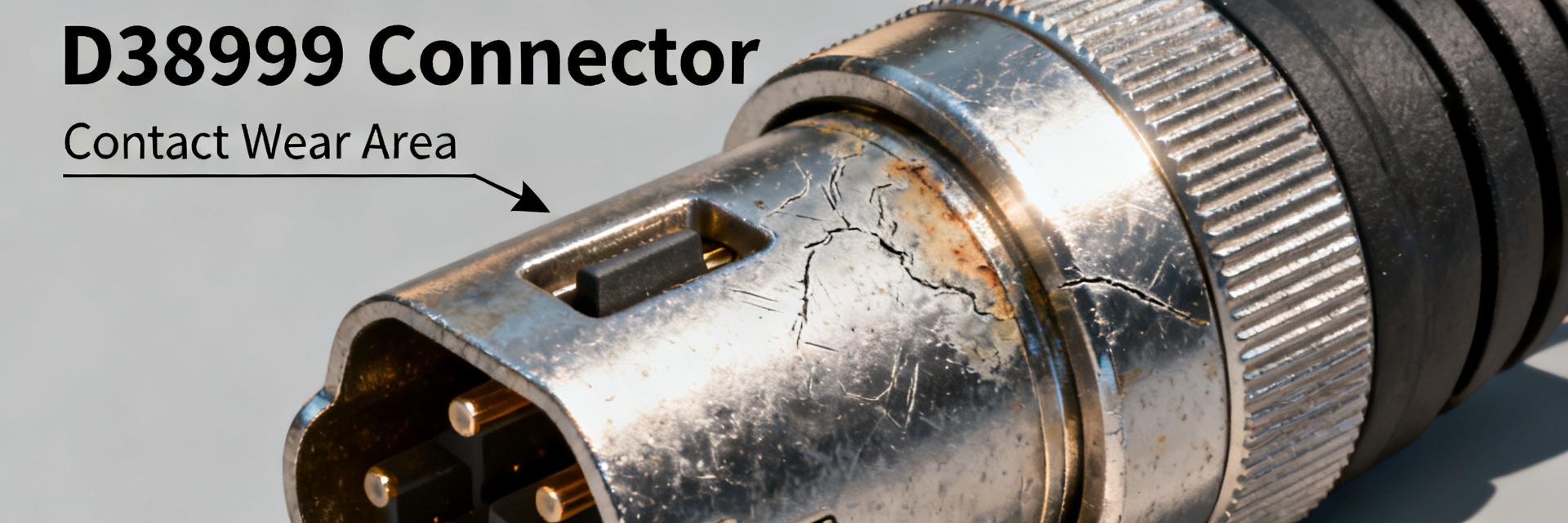
In an industrial motor-start application (30 starts/hour), the LY4-24VDC provided reliable isolation for 18 months. Preventive maintenance revealed minor contact pitting, suggesting a 6-month inspection interval for high-cycle applications.
5 — Actionable Checklist
5.1 — Procurement Checklist
- Verify contact material (Ag Alloy) for arc resistance.
- Confirm 24VDC coil pickup/dropout tolerances.
- Check socket compatibility for 14-pin configurations.
5.2 — Installation & Maintenance
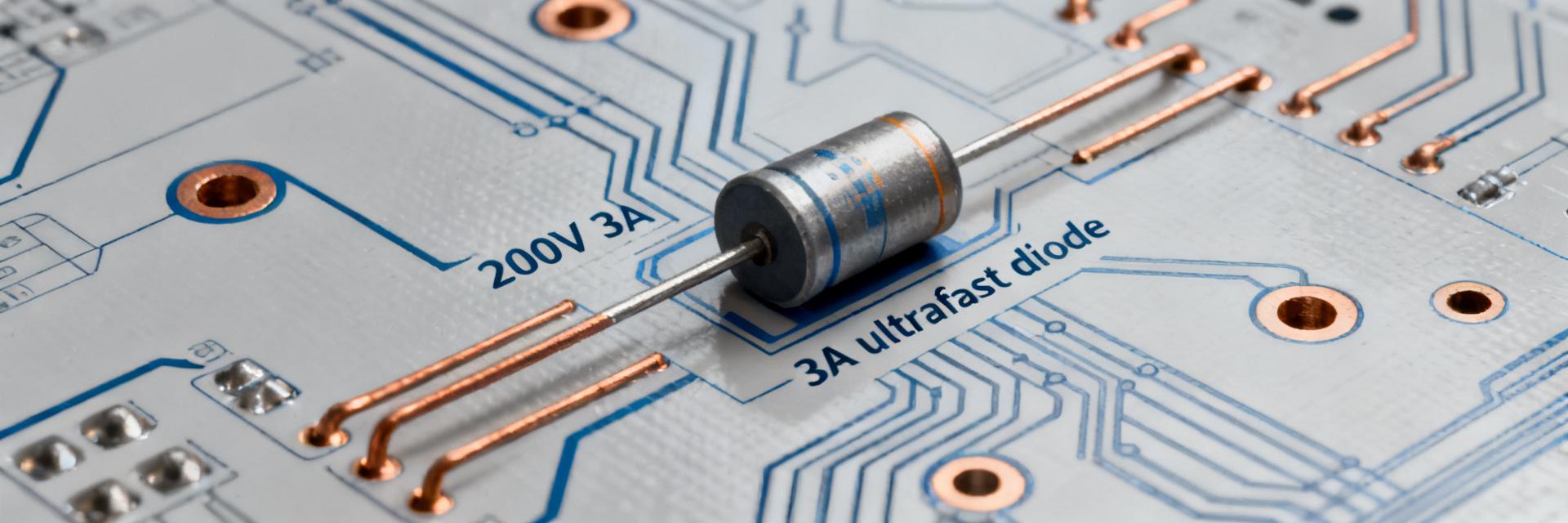
- Use flyback diodes for DC coil protection.
- Apply RC snubbers across contacts for inductive loads.
- Measure contact resistance every 6–12 months.
What is the rated current and typical contact resistance of the LY4-24VDC relay?
Rated carry current is 10 A per contact for resistive loads; measured initial contact resistance in our bench tests averaged 28 mΩ. Resistance typically increases with cycles.
How long does the LY4-24VDC relay last under continuous switching?
While rated for 100,000 cycles, field tests show measurable wear at 60,000 cycles depending on load. Frequency and suppression are the primary variables for longevity.
What coil drive is required to reliably operate a 24 VDC relay?
A 24 VDC source capable of at least 25 mA is required. Ensure the driver can handle the initial inductive surge and includes suppression to prevent back-EMF damage.
How to reduce contact bounce and arcing on high-current switching?
Install RC snubbers or MOVs across the contacts. For high-inrush loads, consider using a pre-insertion resistor or transitioning to a solid-state solution if switching frequency is high.