MIL-DTL-38999 Connectors Market & Performance Brief - Latest
Estimated annual US defense and aerospace connector procurement exceeds $1.1 billion, with MIL-DTL-38999-class products representing a material share of high-reliability circular connector buys; near-term demand shows a 3–6% CAGR driven by avionics refresh and sensor proliferation.
1 — Background: Technical Overview
Series & Form-Factor Overview
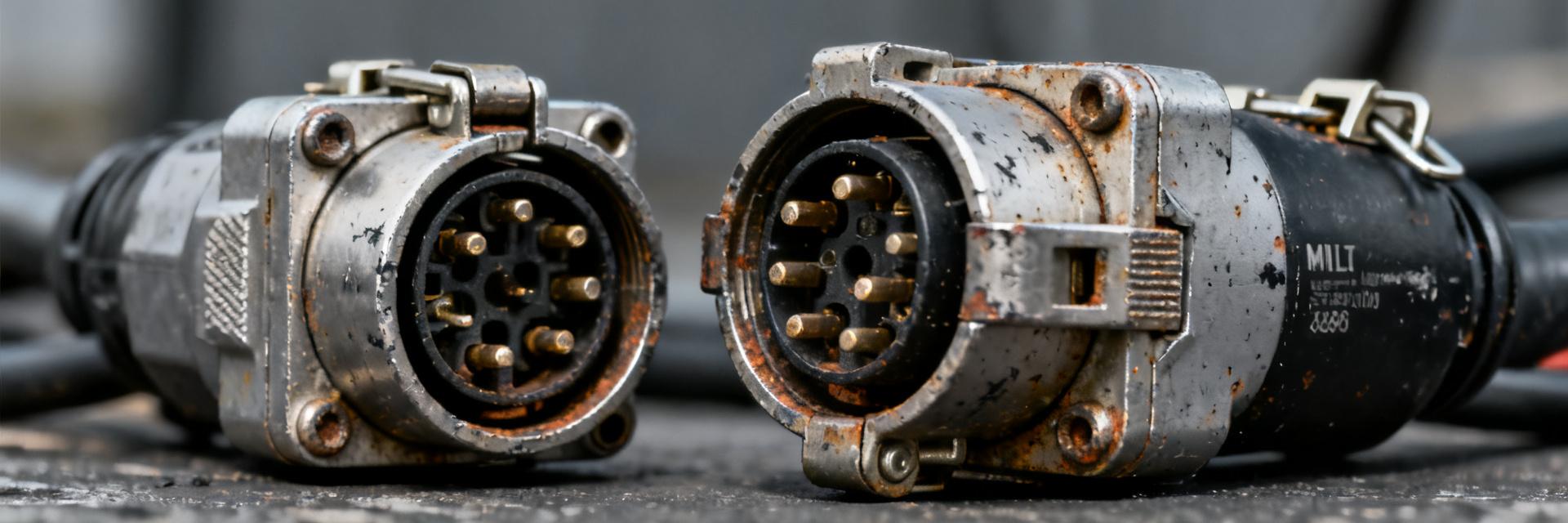
Series I, II, and III differ by coupling method, contact density, and sealing capability. Design intent centers on extreme environmental resistance for military platforms.
| Series | Typical Shell Size | Contact Density | Coupling Mechanism |
|---|---|---|---|
| Series I | 9–25 | Low–Medium | Bayonet (Scope-proof) |
| Series II | 9–23 | Medium–High | Bayonet (Low Profile) |
| Series III | 9–25 (compact) | High | Triple-start Threaded (Self-locking) |
2 — Market Size & Demand Drivers
Primary demand drivers include avionics data-rate upgrades and vehicle electrification. Supply bottlenecks stem from specialty raw materials and qualification lead times, which can extend to several months for custom variants.
3 — Performance Characteristics
Environmental & Electrical Benchmarks
- Temperature: -65°C to +200°C verified operation.
- Resistance: 500+ hours salt spray (Cadmium/Nickel platings).
- Electrical: Low contact resistance (single-digit mΩ) and high EMI shielding effectiveness.
4 — Design & Selection Guide
Decision flow: define operating environment -> estimate contact count -> weigh density vs. shell size -> select coupling (Bayonet vs. Threaded) -> choose plating for corrosion resistance.
5 — Procurement & Implementation Checklist
- Short-Term: Qualify alternate sources; secure long-lead components early.
- Long-Term: Track MTBF trends and production defect rates (PPM).
Summary
- Market: Steady 3-6% growth; assume multi-month lead times.
- Performance: Prioritize plating and sealing for salt spray and vibration.
- Top Actions: Mandate lot traceability and supplier test reports.
Frequently Asked Questions
What are the key MIL-DTL-38999 selection criteria for avionics?
Engineers should specify operating temperature range, required contact count, expected mating cycles, EMI/shielding needs, and environmental sealing level. Include insulation and voltage margins for high-speed avionics, and require supplier test evidence for vibration and salt-fog performance.
How long should buyers expect lead times for qualified MIL-DTL-38999 connectors?
Lead times vary: stocked, standard catalog parts may ship in weeks, while custom-plated, high-density, or newly qualified items can require several months. To mitigate schedule risk, qualify alternate manufacturers and procure long-lead items early.
Which failure modes most affect availability and how are they mitigated?
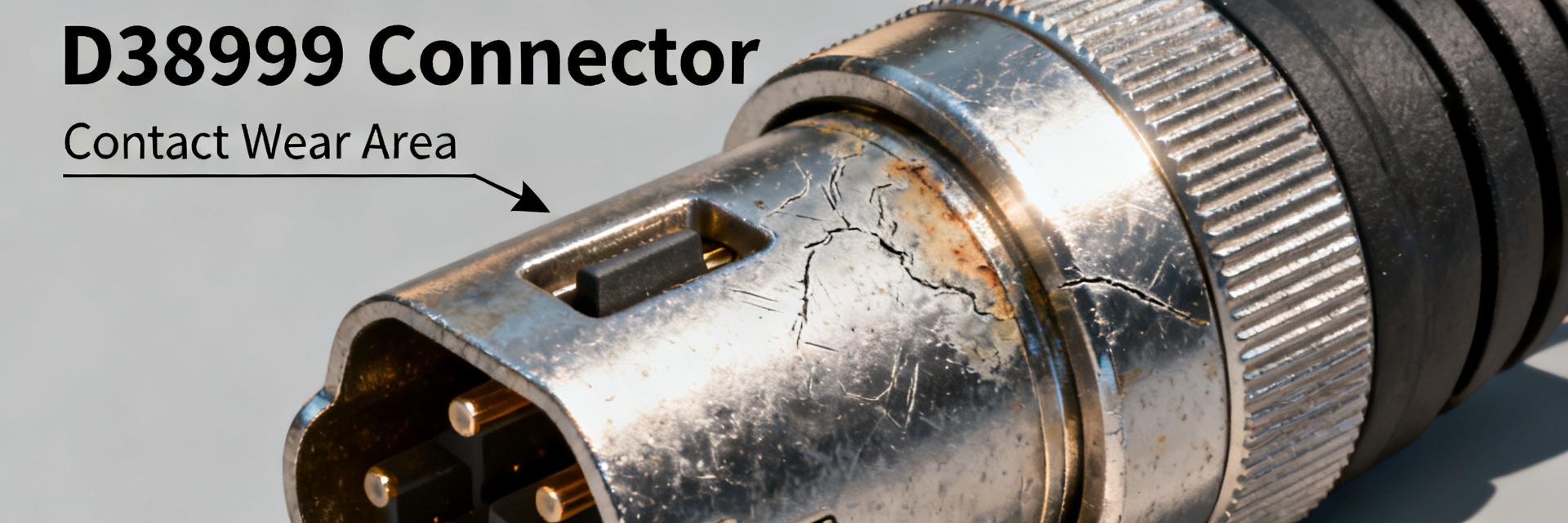
Corrosion, contact wear, seal failure, and EMI coupling are primary failure modes. Mitigations include corrosion-resistant platings, strict mating procedures, improved backshell strain relief, and periodic inspection intervals.
What are the advantages of MIL-DTL-38999 Series III over Series I and II?
Series III offers superior vibration resistance due to its triple-start threaded coupling, is 100% scoop-proof, and features self-locking mechanisms. It is the preferred choice for high-vibration aerospace environments and high-density signal integrity requirements.